
Tokyo · 28 October 2026 · By Tracey Delaney
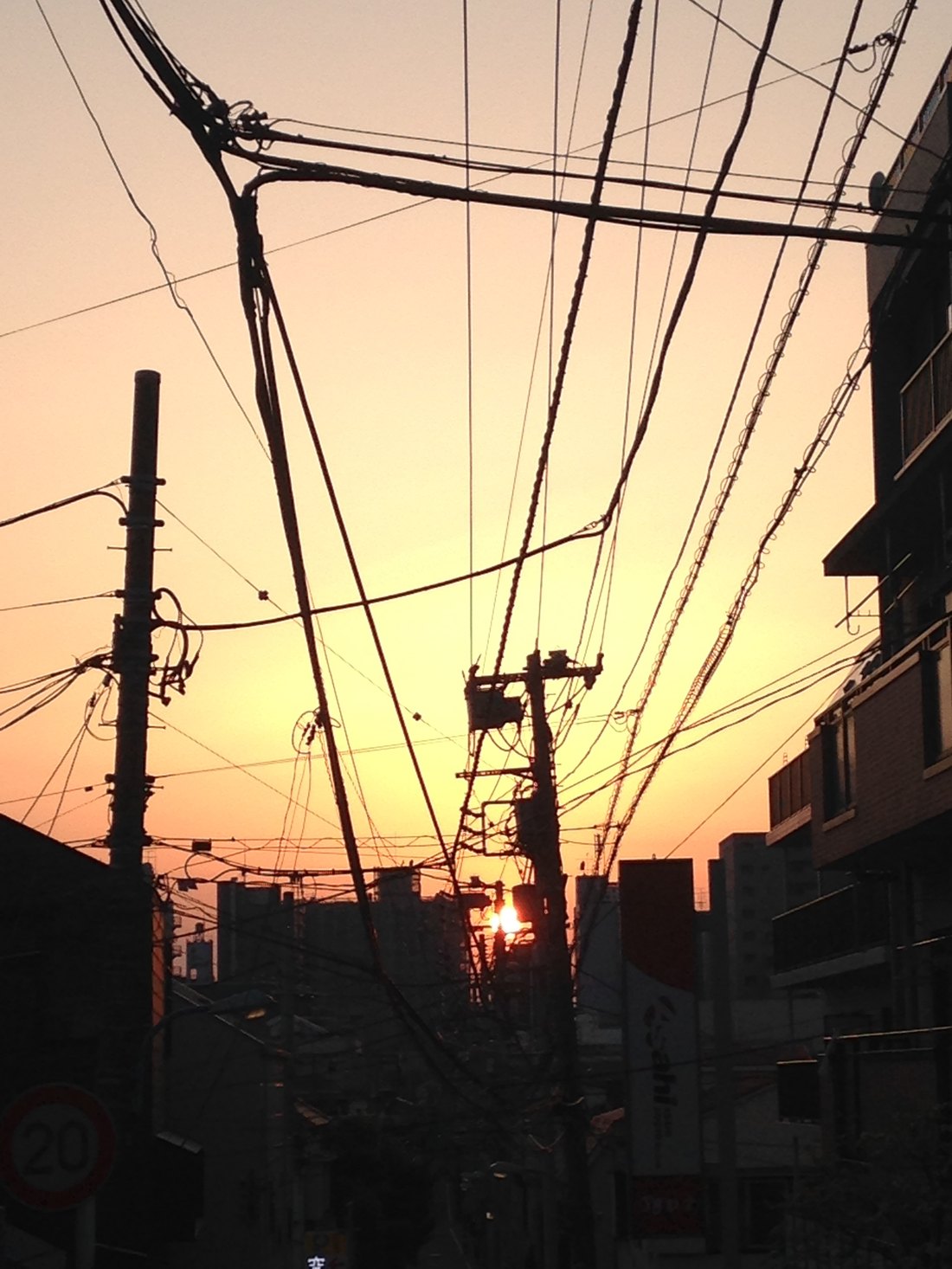
I have always been fascinated by the visual cacophony, yet at times artistic beauty, of the wires that fill the Tokyo streetscapes and sky. So much so that over the years I have photographed them, and now have what can only be described as a portfolio of electrical wires.
So, with that, I set out to answer the questions you may have too. Why, in a city so modern, with the constant risk of earthquake and a famous attention to visual detail, are there wires (almost) everywhere? What’s the history, the state of play today, the risk in an earthquake, and the outlook for the future?
It turns out the answer is not neglect. It is a story of speed, cost, and a quiet argument about what is actually safer.
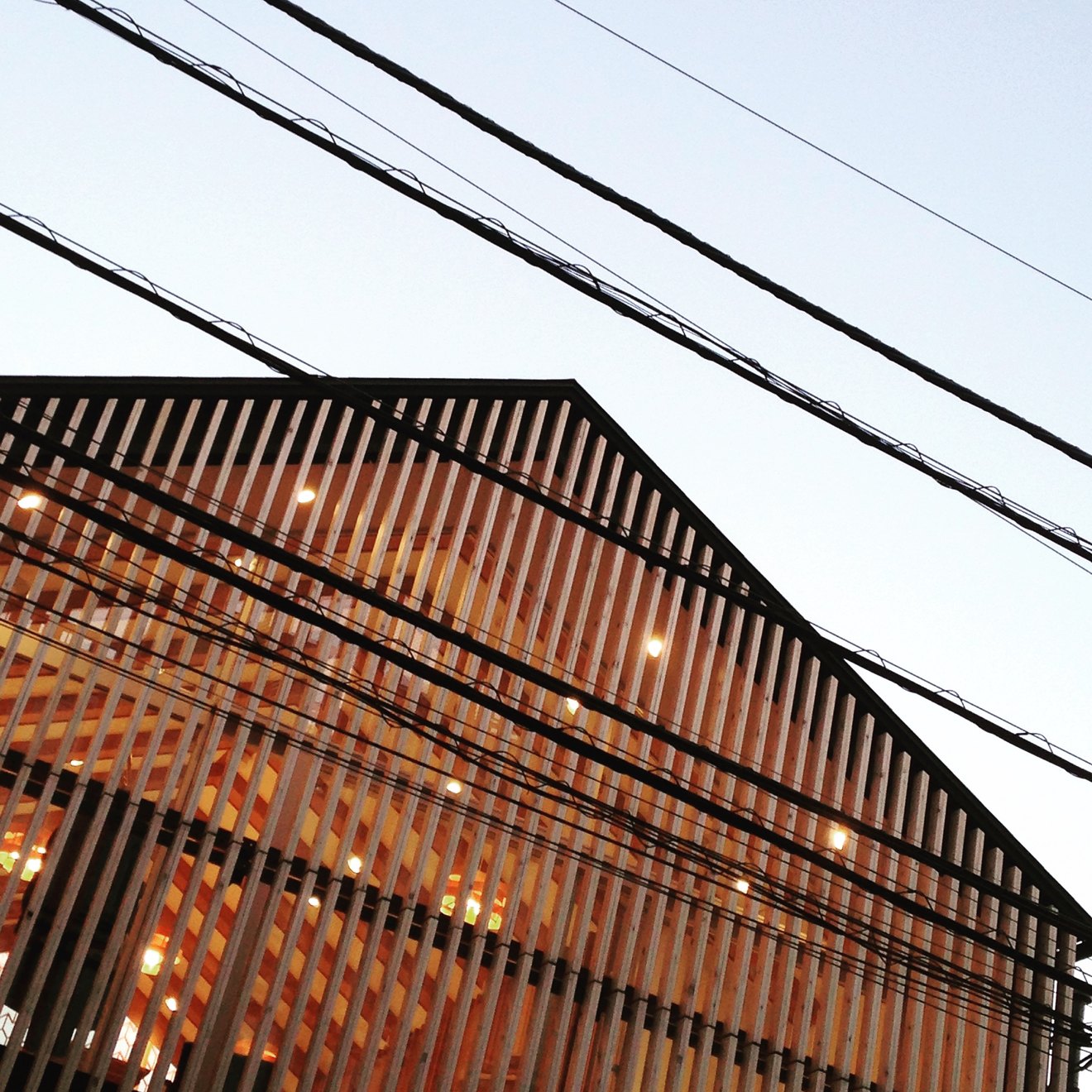
A city rebuilt in a hurry
The first poles went up in 1869, carrying the telegraph line between Tokyo and Yokohama. But the tangle you see today is really a child of 1945.
After the war, much of Tokyo was ash. The priority was to get power, light and telephones back to millions of people as fast as humanly possible, and a concrete pole with wires strung across the top is cheap, quick and needs no digging. Burying cables is the opposite on every count. So the city went up, not down, and by the time Japan was rich enough to reconsider, the poles were everywhere and the habit had set.
It also suited the way Tokyo grows. The city is a patchwork of tiny plots and narrow lanes that get knocked down and rebuilt every few decades. Overhead wires can be re-routed in an afternoon. A buried duct is a commitment to a street plan that may not exist in twenty years.
There is one more quiet reason. Poles are useful. Look closely and you will see they carry street names, block numbers, fire hydrant signs and neighbourhood notices. In a city with a famously baffling address system, the humble pole is half the wayfinding.
The state of play today
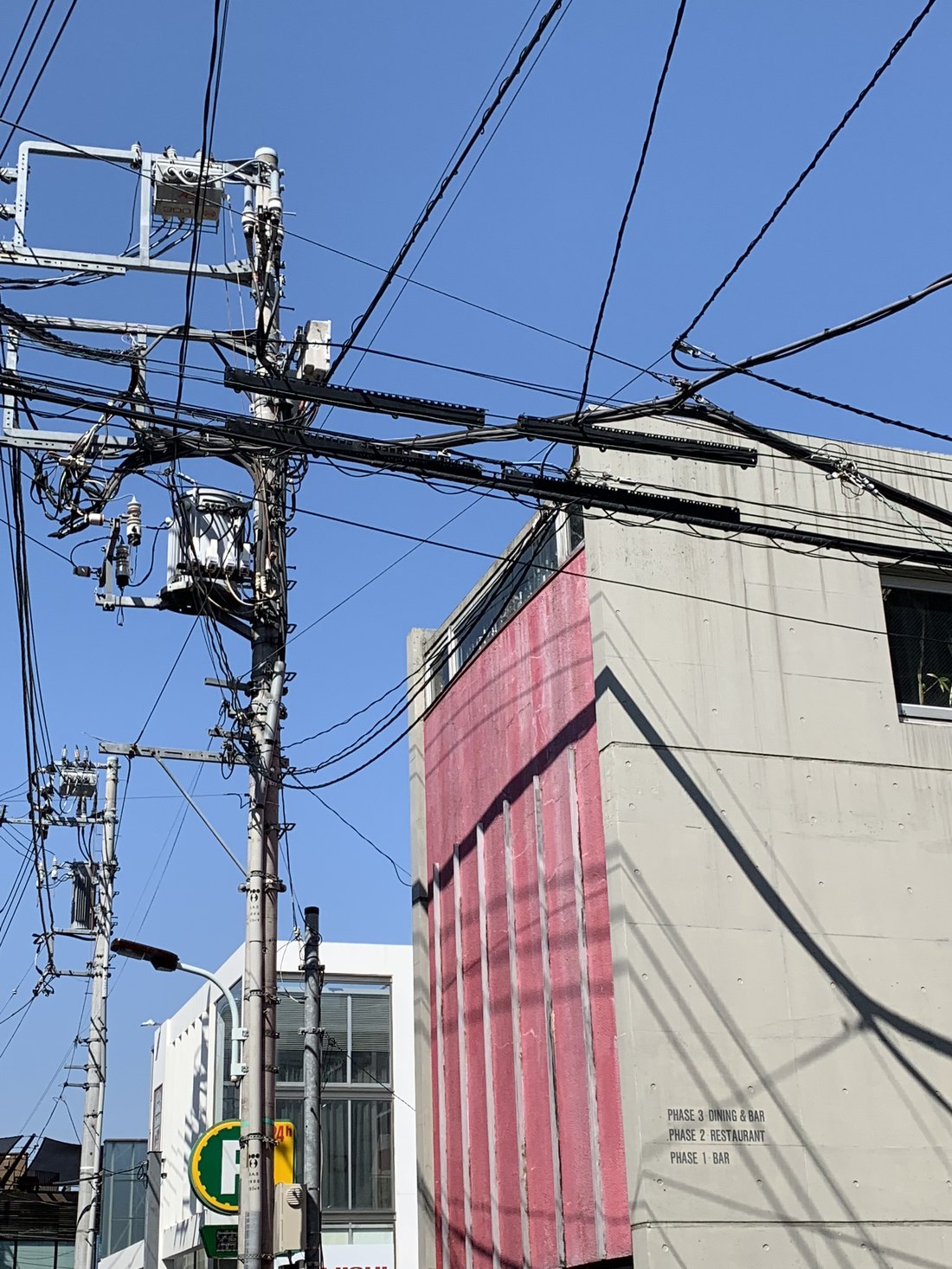
Japan has roughly 35 to 36 million utility poles, about one for every cherry tree, and the number is still growing by around 70,000 a year. Tokyo and the surrounding TEPCO area alone account for close to six million of them.
The comparison with other capitals is stark. London, Paris, Hong Kong and Singapore have buried essentially 100% of their lines. Taipei is at around 96%. Seoul and Jakarta sit in the mid-double digits. Tokyo’s 23 wards, measured by road length, are at about 8%. Osaka manages 6%.
That 8% is a little unfair to Tokyo, though. It counts every back street. Along the big national and metropolitan roads the figure is closer to a third, and in the Center Core Area around the Imperial Palace, Marunouchi and Ginza it is effectively complete. That is why the business district looks like London and three streets back looks like, well, Tokyo.
The reason it has not gone further is money and permission. The standard Japanese method, a shared underground duct for all the utilities, costs about ¥530 million per kilometre. The national government covers half of the road-owner’s share, but a ward still faces something like ¥170 million per kilometre, plus years of negotiating with TEPCO, NTT, the cable companies and every shop whose frontage has to be dug up. Faced with that, most local councils quietly move on to other things.
What happens when the ground moves
This is the part that surprised me, because for decades the official line was that overhead wires are safer in earthquake country. The logic is simple: when a pole falls you can see what broke and fix it in hours. When a buried cable shears, you have to find it first, then dig. In a city that expects to be shaken, visible and fixable sounded sensible.
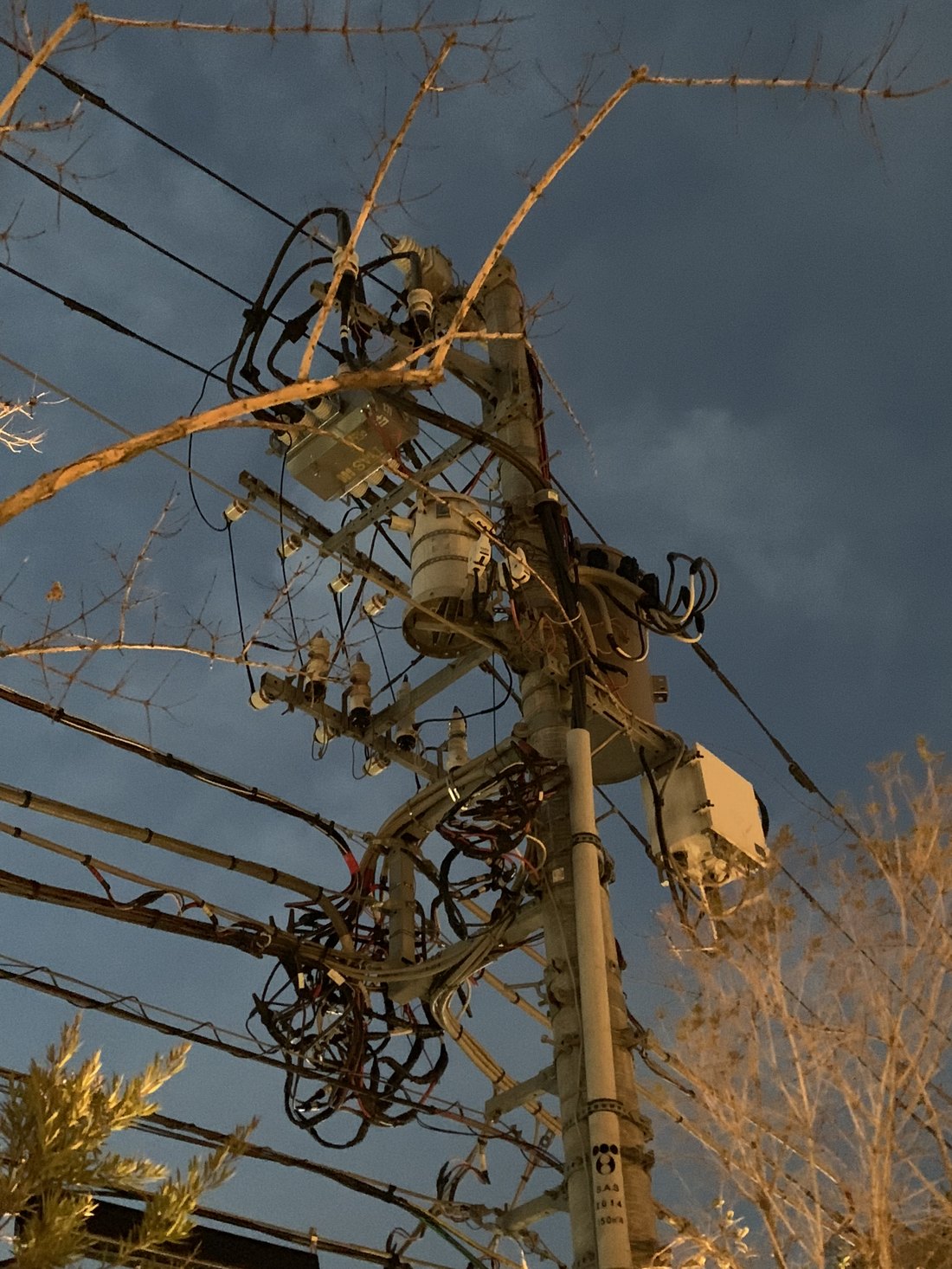
The evidence has not been kind to that argument. In the 1995 Kobe earthquake several thousand poles toppled, and the ones that fell across narrow streets blocked fire engines and ambulances while fires spread through the wooden neighbourhoods behind them. Studies afterwards found the buried lines had failed at a fraction of the rate of the overhead ones. The 2011 Tohoku earthquake damaged tens of thousands more.
It is not only earthquakes. When Typhoon Faxai hit Chiba in September 2019 it brought down close to 2,000 poles, cut power to more than 900,000 homes, and some of them stayed dark for over two weeks. The pictures of poles lying through roofs did more to shift public opinion than any white paper.
So the honest answer to the question is this: the wires are not there because they are safe. They are there because they were quick, and the city has been living with the trade-off ever since. The government puts the odds of a magnitude 7 quake under the capital at about 70% over the next 30 years, which is why the poles have become a political issue rather than just an aesthetic one.
The accidental art
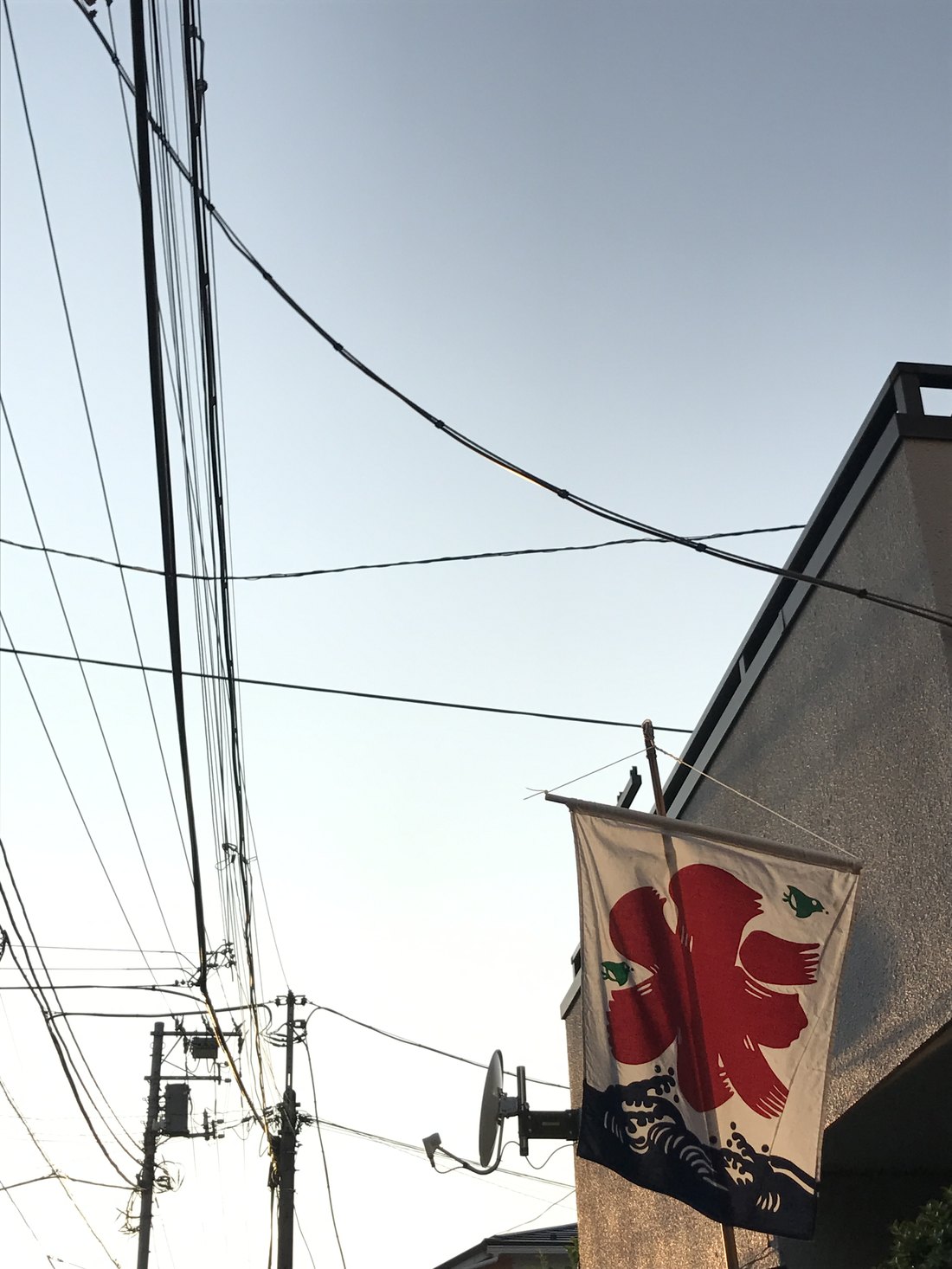
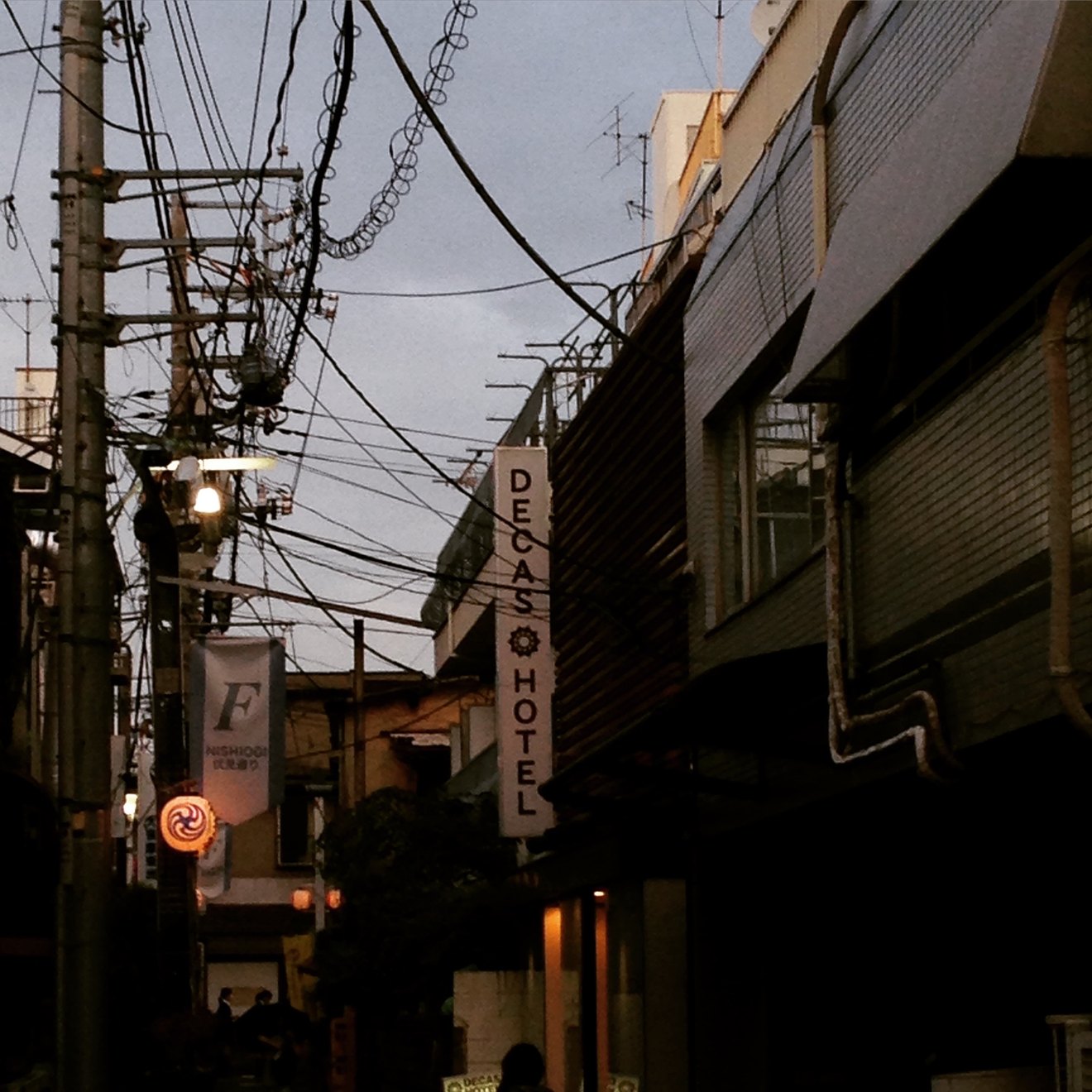
And yet. Walk the side streets of Aoyama at dusk, or almost any neighbourhood in Tokyo, and look up. The wires frame the sky into odd geometric slices. They run in bundles from pole to pole, sag and split and knot around transformers the size of fridges, and somehow the whole thing reads as composition rather than chaos.
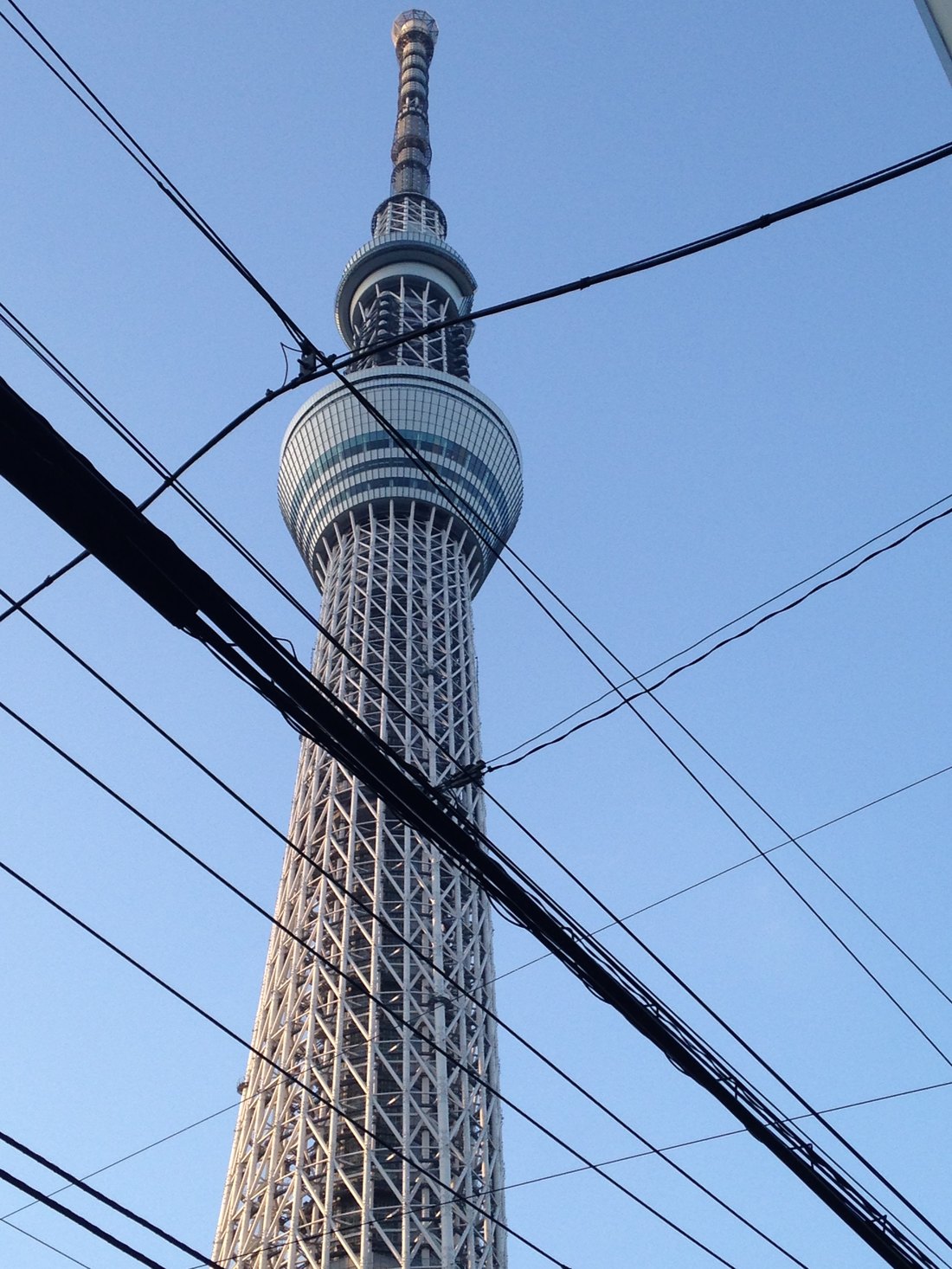
I am clearly not alone in this. The wires are such a part of the Japanese visual language that anime directors paint them in deliberately; the long still shots of poles against an evening sky in Your Name or Evangelion are shorthand for "this is Japan, this is ordinary life." There are photographers who shoot nothing else, painters who have spent years on them, and a small but devoted community of self-declared densen aikōka, electric wire lovers, who will tell you the difference between a TEPCO pole and an NTT pole at fifty paces.
The wires are a big part of what makes a Tokyo backstreet feel crowded and lived-in. When the planners did bury the lines in redeveloped districts, more than one Tokyoite told the press the result felt sterile. Perhaps that is why, when the ministry polls people on whether the poles should go, a surprising number simply shrug.
Where this is heading
Slowly, the poles are coming down. Japan has had a national undergrounding programme since 1986, but the real shift came in 2016, when the Diet passed the Act on Promotion of Undergrounding of Electric Wires. Tokyo followed in 2017 with its own ordinance, the first of any prefecture, and Governor Koike has said in so many words that she wants the number of poles in Tokyo to reach zero.
The approach is pragmatic rather than heroic. New metropolitan roads can no longer have poles at all. Evacuation routes, the main avenues, the streets around stations and the showpiece areas get buried first; the Olympics drove a lot of this, which is why Ginza and the Marunouchi side of Tokyo Station are now almost wire-free. Cheaper direct-burial methods, long used in Europe, are being trialled to bring the cost down from that eye-watering ¥530 million a kilometre.
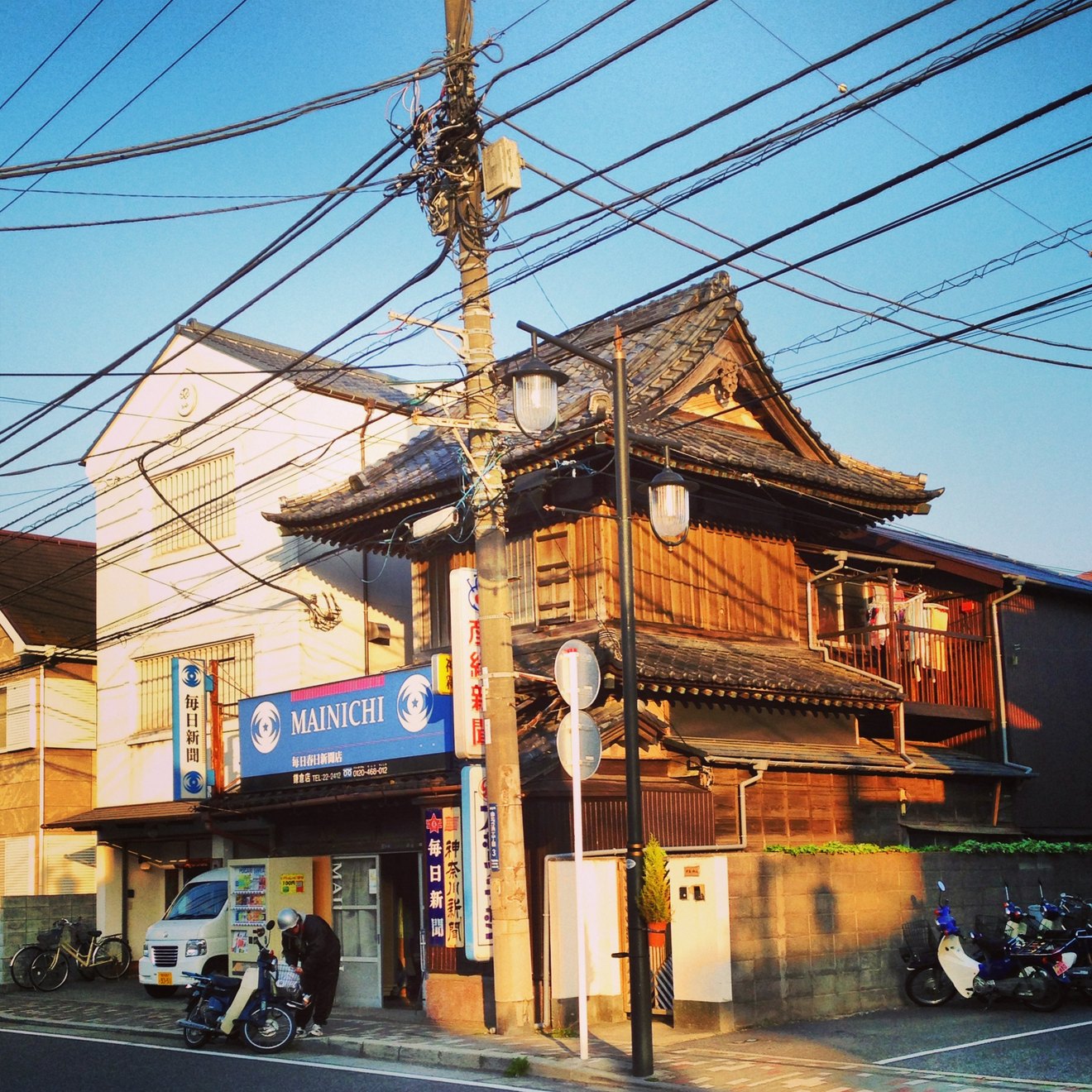
But at the current pace the backstreets will keep their wires for decades. Six million poles in the Tokyo area, a few thousand kilometres buried per five-year plan, and the arithmetic does the rest. The next time you walk under a particularly magnificent knot of cable outside a Setagaya laundrette, know that you are looking at something slowly becoming rare, and that someone, somewhere, is photographing it.
I, for one, will keep adding to the portfolio while I can.
Sources
TEPCO, underground installation rates by fiscal year
MLIT road statistics, undergrounding rates (Japanese)
Tokyo Metropolitan Government, promotion of the removal of utility poles
Japan Forward / Sankei, why power poles are slow to disappear
BloombergNEF, Tokyo's bill to remove cables
NIED, damage to power facilities from Typhoon Faxai (Japanese)
Unseen Japan, why Japan is covered in electrical wires
More from the Journal: Moshi moshi: Japan calling · Dassai Blue: Yamaguchi on the Hudson.