
27 October 2026 · By Tracey Delaney
Last updated: 27 October 2026
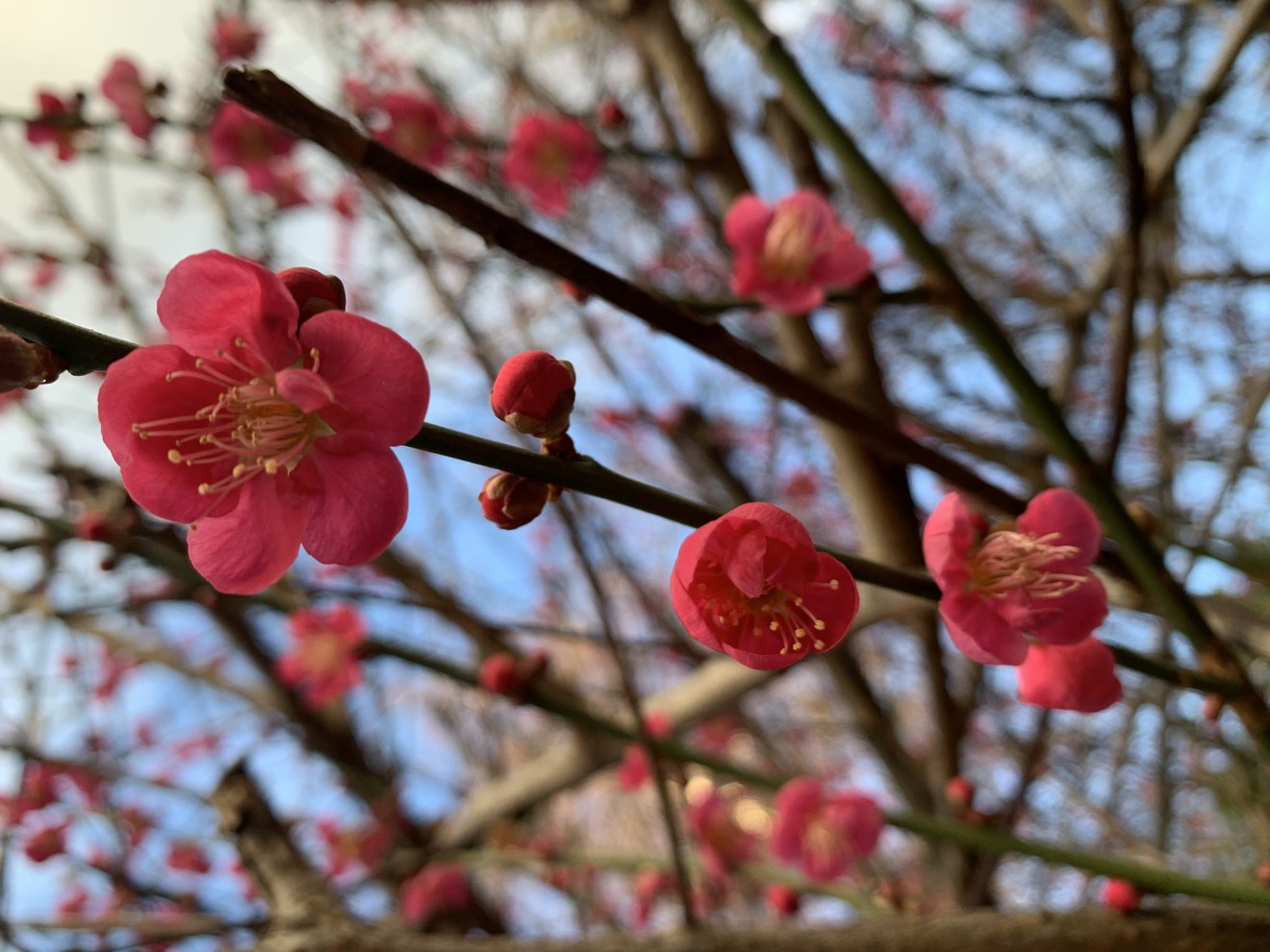
An ode to February
I almost wanted to call this “ode to February”, because it is my favourite month in Japan. It is also the month the first blossoms appear, and no, not the ubiquitous cherry blossom the masses come in droves for. I mean the sublime deep pink ume 梅, the plum blossom. Its beauty rivals the cherry’s; the crowds do not.
Pair it with some of the most magical events in Japan: shinshu 新酒 new sake releases with the breweries in full swing, ski season at its best, kan-buri 寒ぶり winter yellowtail at its fattest, and relatively empty luxury stays at the best prices of the year. There are countless reasons to make plum blossom season THE blossom season to visit Japan. Here are mine.
Why February, really
The sake. Sake is brewed in the cold, and February is the heart of the season. Breweries are at full tilt, the sugidama 杉玉 cedar balls hanging over the doors are still green (they go brown as the year’s sake matures), and the first shinshu 新酒 of the year is on the counter: unpasteurised, lively, slightly fizzy nama-zake you simply cannot buy in March in Bordeaux or anywhere else. Many kura hold their kurabiraki 蔵開き open days in February and early March. If you only ever visit one brewery, visit it now. It is no accident that the plum, not the cherry, is the flower of the brewers; it blooms while they work.
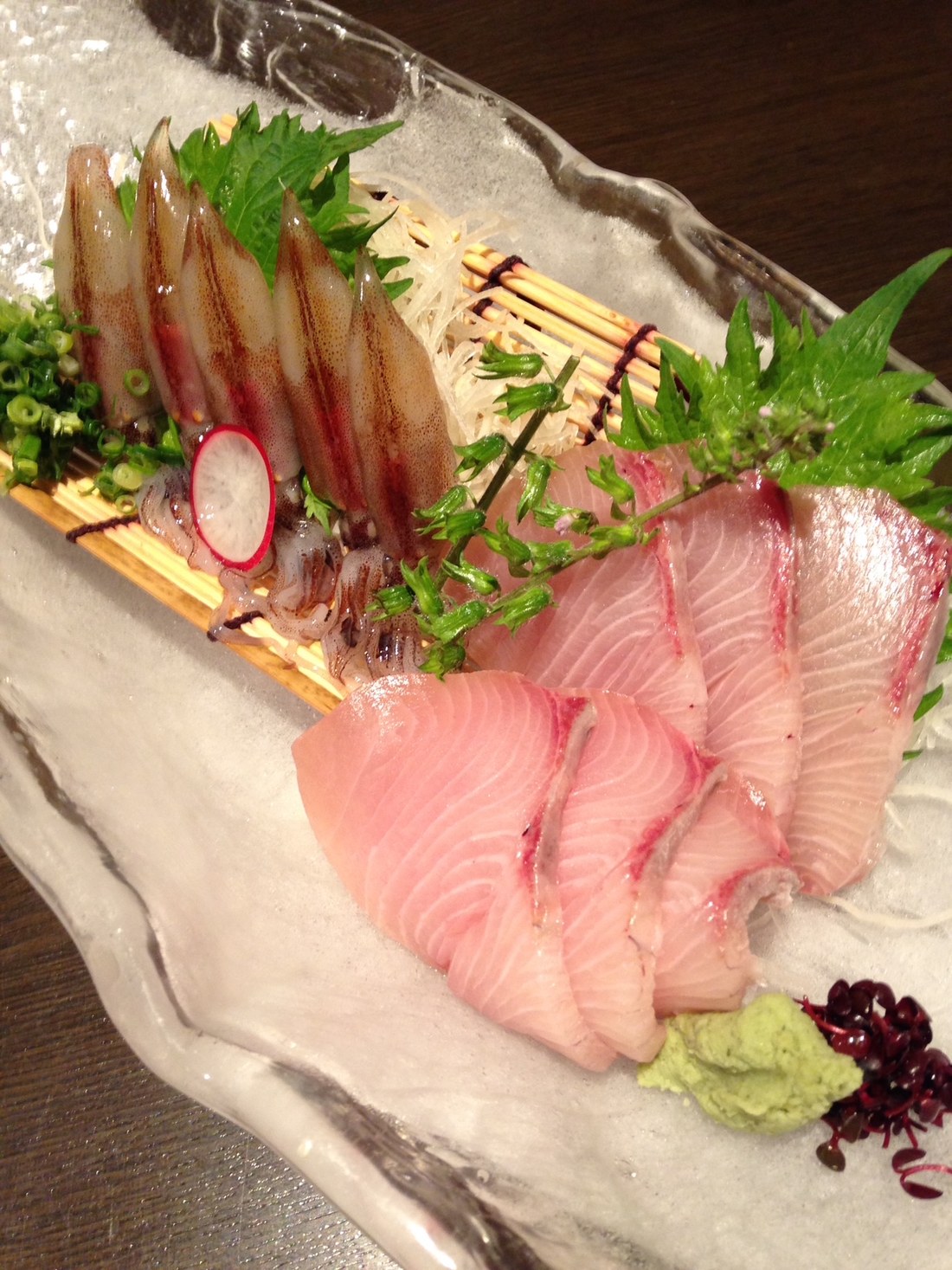
The fish. Kan-buri, the winter yellowtail, is at its fattest from December to February. On the Sea of Japan side (Himi in Toyama is the name to know) it is the whole point of the season: buri shabu, buri daikon, buri sashimi with a cup of local nama-zake. Crab season is still on in Kanazawa and San’in too.
The snow. It is peak powder in Hokkaido and Nagano, and the outdoor onsen are at their most dramatic with snow on the rocks. Even if you never put on skis, a rotenburo in February is the single best argument for the month.
The prices and the space. February is Japan’s quietest luxury month. Ryokan that are impossible in April have rooms, the good hotels are at their lowest rates of the year, and award seats in business class are actually there. The Chinese New Year week (around 6 February in 2027) is the one busy pocket; outside it, you will have Kyoto’s gardens more or less to yourself.
The light. Cold, dry, clear. Fuji is visible more days in February than in any other month, and the plum blossoms are at their best against that blue.
Setsubun. The month opens with the oldest and silliest festival of the Japanese year. Setsubun 節分, the “seasonal division”, falls on 3 February, the eve of risshun 立春, the old first day of spring, so it is the night the year’s bad luck gets thrown out before the new one arrives. A Heian-court rite for chasing off plague demons became what it still is: roasted soybeans hurled at someone dressed as an oni 鬼 while everyone shouts oni wa soto, fuku wa uchi 鬼は外、福は内, demons out, luck in. Then you eat your age in beans, plus one, and an uncut ehomaki 恵方巻 roll in silence facing the lucky direction. Go to Yoshida Shrine in Kyoto or Zojoji in Tokyo for the sumo wrestlers and actors on the stage, or any neighbourhood shrine for the real thing.
Plum, not cherry
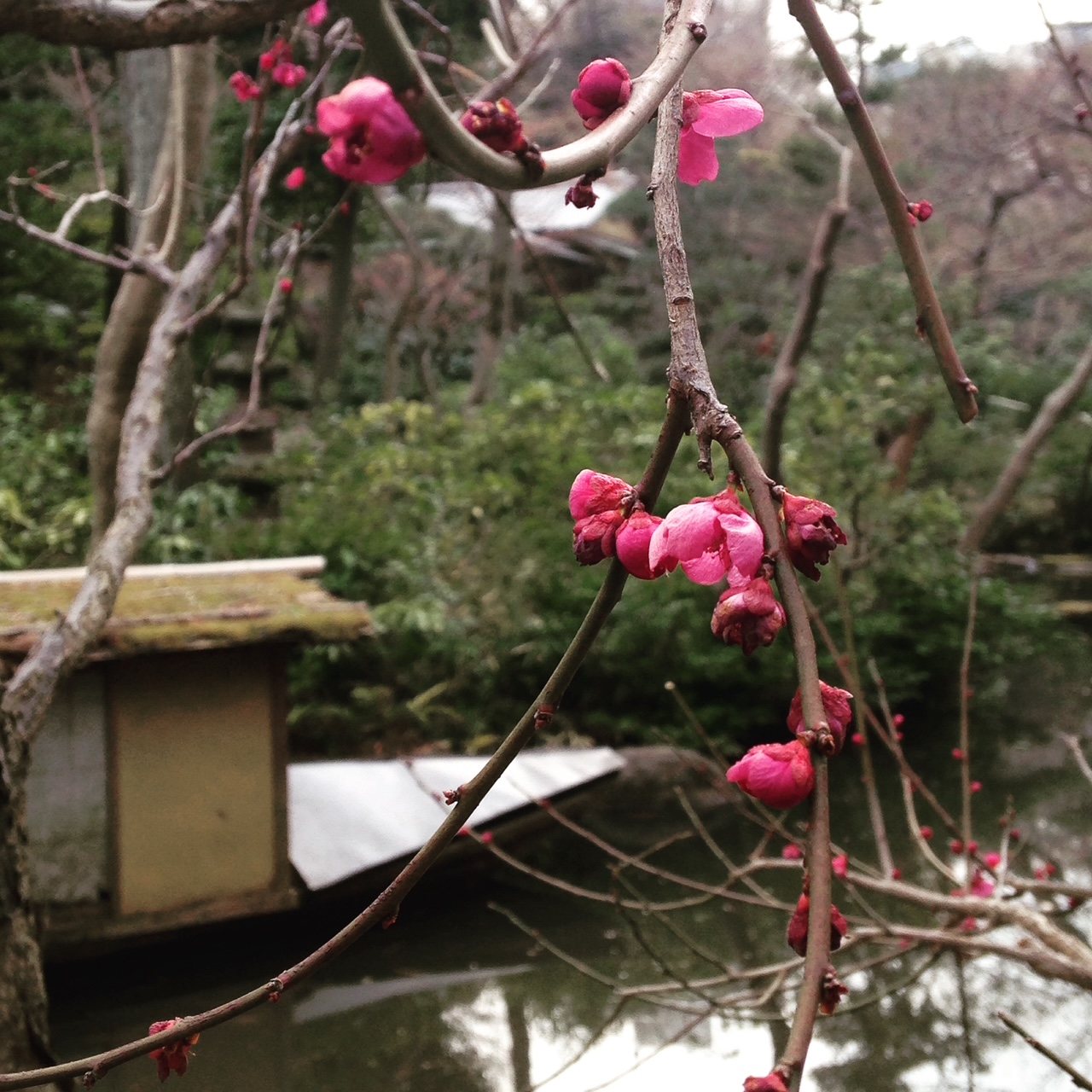
Ume bloom roughly from late January to early March, about six weeks ahead of the cherry, and they last. A cherry tree is finished in a week; a plum garden runs for a month because the hundred-odd varieties open in waves, white first, then pink, then the deep red kobai 紅梅. They flower on bare, gnarled branches, which is half the beauty, and unlike cherry they have a scent, a sweet almond-apricot note you catch before you see the trees.
Ume came to Japan from China before the cherry was fashionable; in the Nara period, “hanami” meant plum. The Heian court switched its affections to sakura and never looked back, which is why today you get the plum gardens to yourself. The flower stands for endurance and the first stirrings of spring, which is also why it belongs to the brewers and to the scholar-god Tenjin, whose shrines (Kitano Tenmangu, Dazaifu, Yushima) hold the best urban groves.
| Plum (ume 梅) | Cherry (sakura 桜) | |
|---|---|---|
| Bloom window | Late Jan to early Mar, 3 to 5 weeks per garden | Late Mar to early Apr, about 1 week per tree |
| Scent | Yes, strong and sweet | Almost none |
| Crowds | Locals, weekends only | Everyone, all week |
| Hotel rates | Lowest of the year | Highest of the year |
| Pairs with | Nama-zake, buri, snow, onsen | Picnics and bento |
Where to see them
The bloom moves north and uphill: Atami and Kyushu open first in late January, Tokyo and Kyoto follow in mid-February, and Mito, Nara’s valleys and the Hokuriku gardens finish the job in March. Build the trip in that order and you can chase the blossom for three weeks.
| Garden | Where | Trees | Peak | Why go |
|---|---|---|---|---|
| Atami Baien 熱海梅園 | Atami, Shizuoka (45 min from Tokyo by Shinkansen) | 470, 59 varieties | Late Jan to late Feb | Japan’s earliest plum garden, on a hillside with a hot-spring stream; pair with a night in an Atami onsen ryokan and the MOA Museum |
| Soga Bairin 曽我梅林 | Odawara, Kanagawa | 35,000 | Early Feb to early Mar | Working fruit orchards with Mt Fuji behind them, the classic photograph; 20 min from Hakone |
| Yushima Tenjin 湯島天神 | Bunkyo, Tokyo | 300 | Mid Feb to early Mar | The Tokyo plum shrine, Ume Matsuri roughly 8 Feb to 8 Mar, students praying for exams under the trees |
| Hanegi Park 羽根木公園 | Setagaya, Tokyo | 650, 60 varieties | Early Feb to early Mar | Where Tokyoites actually go; the Setagaya Ume Matsuri has tea, koto and almost no tourists |
| Kairakuen 偕楽園 | Mito, Ibaraki (75 min from Tokyo on the Hitachi express) | 3,000, 100 varieties | Mid Feb to late Mar | One of Japan’s three great gardens, built in 1842 for plum viewing; the Mito Plum Festival ran 11 Feb to 22 Mar in 2026 and brings a national umeshu tasting festival to Tokiwa Shrine next door |
| Kitano Tenmangu 北野天満宮 | Kyoto | 1,500, 50 varieties | Early Feb to mid Mar | The Baien garden opens for the season; on 25 February the Baikasai 梅花祭 has the geiko and maiko of Kamishichiken serving tea outdoors, the one day a year to see them in daylight |
| Osaka Castle Nishinomaru 大阪城梅林 | Osaka | 1,270, 100 varieties | Mid Feb to early Mar | The castle keep over a sea of white and pink, free, and a ten-minute walk from the Dotonbori crowds who never come |
| Tsukigase Bairin 月ヶ瀬梅林 | Nara (1 hr from Nara city by car) | 10,000 | Late Feb to late Mar | A whole river valley of plum, hand-planted over 700 years for ume-dyeing; this is the one for a driver and a long lunch |
| Dazaifu Tenmangu 太宰府天満宮 | Fukuoka | 6,000, 200 varieties | Early Feb to early Mar | Home of the tobiume, the plum tree said to have flown from Kyoto to follow its exiled master; eat umegae-mochi on the approach |
| Kenrokuen 兼六園 | Kanazawa | 200 | Late Feb to mid Mar | Small, but it comes with crab season, a snow-covered garden and the Hokuriku breweries; the only plum grove you can reach from Himi for lunch |
Festival dates for 2027 are mostly announced in November and December; the windows above are the reliable ones, and we confirm the exact dates when we build the itinerary.
What else is on in February 2027
The plum is the thread; these are the beads. Most of them sit within a Shinkansen ride of a plum garden.
| Dates (2027) | Event | Where | The MV take |
|---|---|---|---|
| 3 Feb | Setsubun 節分 | Everywhere; best at Yoshida Shrine, Kyoto, and Naritasan | Bean-throwing to drive out the demons, sumo wrestlers and actors throwing at the big temples, ehomaki sushi rolls eaten in silence facing the lucky direction |
| 4 to 11 Feb | Sapporo Snow Festival さっぽろ雪まつり | Odori Park, Sapporo | The 77th; the big sculptures at Odori, ice at Susukino, snow play at Tsudome. Book Sapporo hotels now; it is the one sold-out week of the Japanese winter |
| 6 to 13 Feb | Otaru Snow Light Path | Otaru, 40 min from Sapporo | Candles along the canal and the old rail line; do it the same evening as the Snow Festival |
| Around 6 Feb | Lunar New Year and the Nagasaki Lantern Festival | Nagasaki, Yokohama and Kobe Chinatowns | 15,000 lanterns over Nagasaki for a fortnight; the one week of February that is busy, plan around it |
| Early to mid Feb | Zao snow monsters 樹氷 | Zao Onsen, Yamagata | Ice-encased firs lit at night, a sulphur onsen town below, and ski-in access to the viewing ropeway |
| 15 to 16 Feb | Yokote Kamakura Festival | Yokote, Akita | Hundreds of snow houses with children inside offering amazake and mochi; the most charming thing in Tohoku |
| Mid Feb to mid Mar | Kurabiraki 蔵開き brewery open days | Nationwide, strongest in Niigata, Nada, Fushimi, Hiroshima’s Saijo and the Hokuriku kura | New sake straight from the tank; many breweries open only one weekend, which is why we fix these dates first |
| 25 Feb | Baikasai 梅花祭 | Kitano Tenmangu, Kyoto | Plum blossom festival with the Kamishichiken geiko serving tea; the single best day of the month if you can only pick one |
| All month | Peak powder | Niseko, Hakuba, Nozawa Onsen, Myoko | Japan’s best snow is February snow; Nozawa and Myoko keep the onsen-village character the bigger resorts have lost |
| All month | Kan-buri and winter crab | Himi (Toyama), Kanazawa, the San’in coast | Yellowtail at its fattest, snow crab still on; this is the Sea of Japan’s month |
| 14 Feb | Valentine’s Day | Department-store chocolate halls, Tokyo and Osaka | Not a joke: Isetan and Takashimaya host the best chocolatiers in the world for a fortnight, and the French ones come in person |
Dates for Setsubun, Baikasai and Valentine’s are fixed; the Sapporo and Otaru dates are official for 2027; the rest follow their usual pattern and are confirmed in the autumn.
If you want February done properly, with the brewery weekends and the Baikasai fixed first and the rest built around them, that is what we do.
Tracey, Maison V. Six years in Japan, planning it for others since.
More from the Journal: The Tokyo Tangle, Untangled · Moshi moshi: Japan calling.