
Nov 5, 2026 · Tracey Delaney
Tracey Delaney is an accomplished sake professional with extensive beverage category knowledge and expertise.
I've been skiing Japan on and off for the best part of twenty years, and the question I'm asked most is still the simplest one: where should I go? My answer is always another question — what are you looking for?
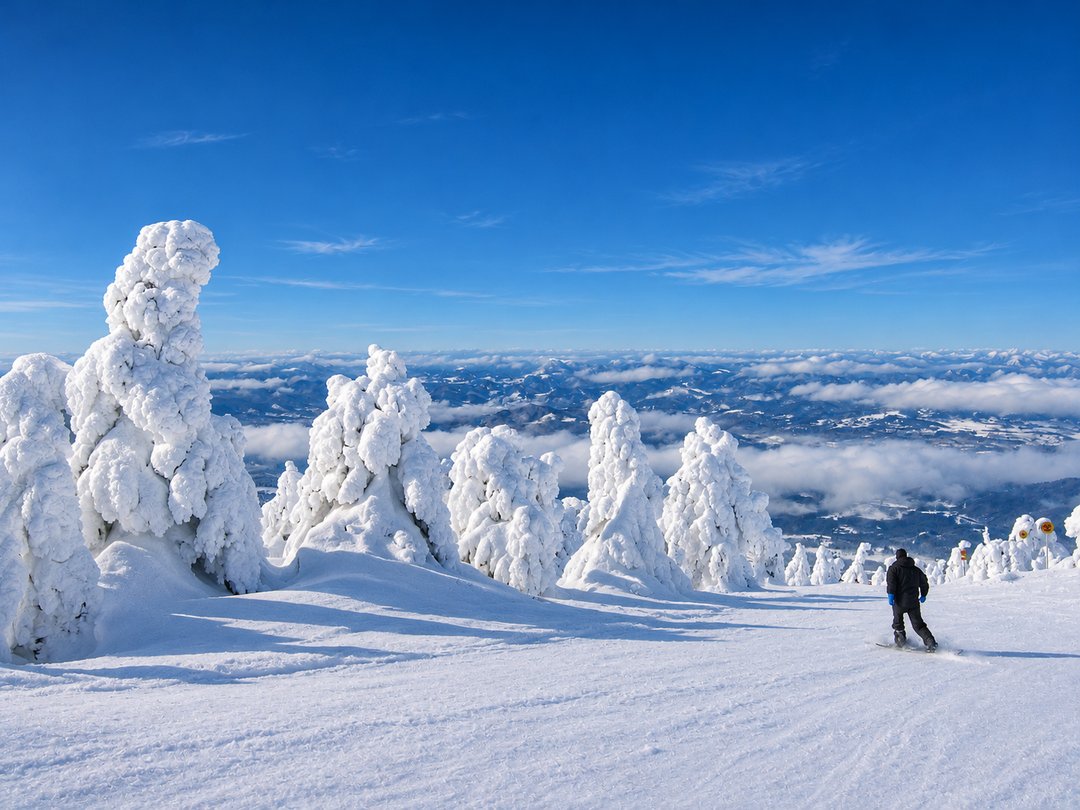
All photographs are our own, taken on our trips.
I first skied Niseko long before anyone outside Japan knew its name as synonymous with powder, when the lift queues were quiet and the après was a single izakaya. Since then I've chased the snow monsters of Zao Onsen, soaked in the hot-spring ski towns of Nagano, and, closer to my old home in Tokyo, made countless quick day trips and weekend escapes to Niigata, where the snow falls heavier than anywhere I've been. Japan is a mountainous country spoiled with mountains and snow, and no two regions ski the same.
The snow changes depending on where you go — from the heavy, wet dumps on the Japan Sea side to the fabled dry powder of Hokkaido. The experience changes too: Zao Onsen has its historic charm, Niseko its flash international brands (and prices) and an overseas crowd, and then there's everything off the beaten track that the guidebooks skip. Here's a rundown of the top resorts and some hidden gems, and who each one is for.
Japan's snow is not one thing
All of Japan's famous snow comes from the same engine: Siberian air crosses the Sea of Japan, picks up moisture, and dumps it on the first mountains it meets. But what lands on the ground depends on latitude, distance from the coast and altitude, and that decides what kind of skiing you get.
The practical upshot: if the lightest powder is the whole point, go north. If you want the deepest snow and a town with real character, the Japan Sea side of Honshu beats Hokkaido on volume. If you want steep terrain and a long season, look to Nagano.
The headline resorts, and who they're really for
A word on après before we start. Do not expect European-style après-ski as standard. There is no Folie Douce, no table-dancing at 4pm, and outside Niseko and Hakuba very little in the way of bars at all. The Japanese version is different and, I'd argue, better: lifts close, you walk to the onsen, you soak for an hour, then dinner — a long kaiseki at the ryokan or a smoky izakaya in the village — with sake, beer and a highball or three. Where there is a bar scene, I've said so below; where the après is a bath and a bowl of ramen, I've said that too.
Niseko, Hokkaido — the international one
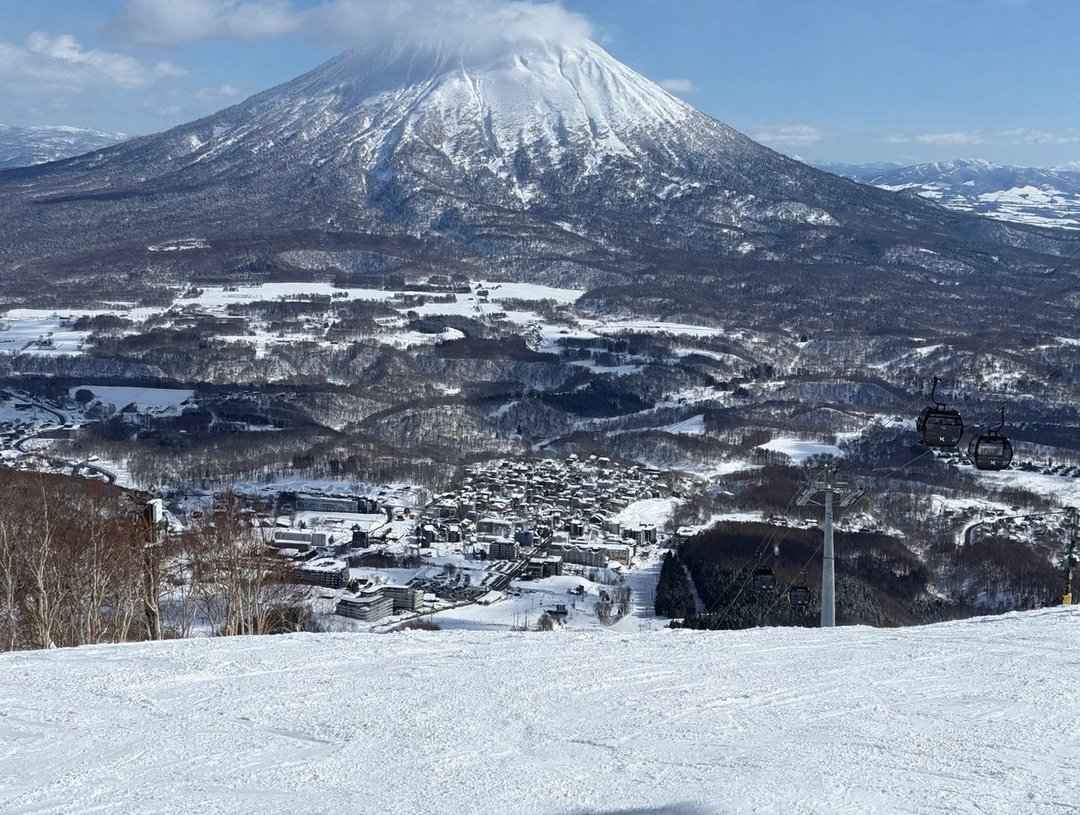
Niseko is the resort that put Japan on the world ski map, and it earned it: four interlinked areas on Mount Annupuri, some of the most consistent powder on the planet, and a night-skiing operation nobody else matches. What's changed in twenty years is everything around the snow. Hirafu is now a village of international hotel brands, Australian and Hong Kong accents, English-language menus and prices to match — a week here can cost what a week in Verbier does.
Who it's for: first-time Japan skiers who want an easy landing, powder chasers who don't mind company, and anyone who wants five-star hotels and serious restaurants after a day in the trees. Who should skip it: anyone who is tired of queues, or of a place that feels a little bit like anywhere else.
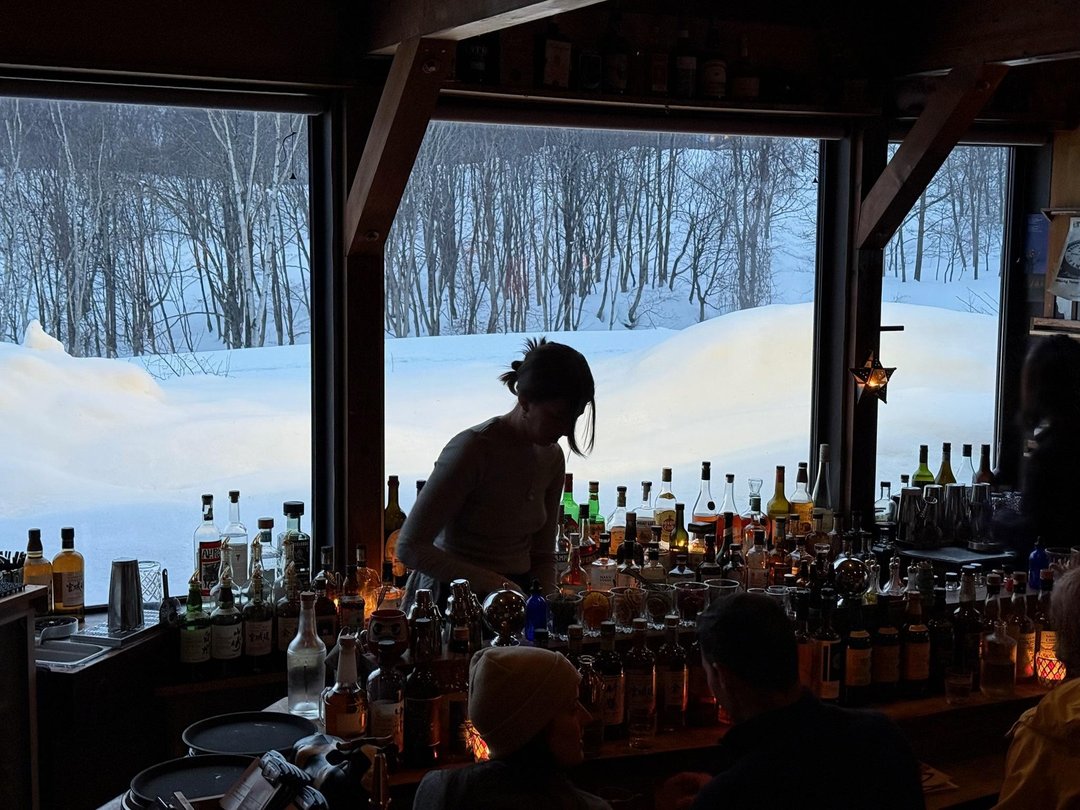
Après and nightlife: the closest thing Japan has to a European après scene. Hirafu's bars fill from 4pm — Bar Gyu+ (the one you enter through a fridge door), Wild Bill's for the rowdy end, hotel bars at the Park Hyatt and Ritz-Carlton Reserve for the quiet one — and the restaurants run from ramen to omakase and need booking weeks ahead. It's the only resort where you'll find a proper nightclub.
Hakuba Valley, Nagano — the big mountain
Ten resorts across one valley, host of the 1998 Olympic alpine events, and the closest thing Japan has to a European-scale ski area. Happo-One has the long steep groomers and the vertical; Cortina has the famous trees; Goryu and 47 link up for cruising. It's drier than the coast and the terrain is the most serious in the country.
Who it's for: strong skiers and mixed-ability groups who want to ski somewhere different every day, and people who find Niseko too small. It's also the easiest big resort to reach from Tokyo — under three hours by shinkansen and bus.
Après and nightlife: second only to Niseko, but spread out. Echoland is the strip of international bars and restaurants; Happo and Wadano have the hotel bars and izakaya. It's lively in peak season without ever feeling like the Alps, and you'll need a taxi or the shuttle between villages.
Nozawa Onsen, Nagano — the village
A 1,000-year-old hot-spring village with thirteen free public baths, cobbled lanes, steam rising from the drains, and a surprisingly big ski area above it with a 1,000-metre vertical. The snow is Japan Sea coast snow — deep and plentiful — and the Fire Festival in mid-January is one of the great nights of the Japanese winter.
Who it's for: couples and families who want the full onsen-town experience, anyone who thinks the après is as important as the skiing. It's busier than it was, but it has kept its soul in a way Niseko hasn't.
Après and nightlife: the best village après in Japan, and it has nothing to do with bars. You walk down from the lifts, drop into one of the thirteen free soto-yu baths, then eat and drink your way along the main street — izakaya, yakitori, a few small foreigner-friendly bars that go late. Think convivial rather than wild.
Zao Onsen, Yamagata — the snow monsters
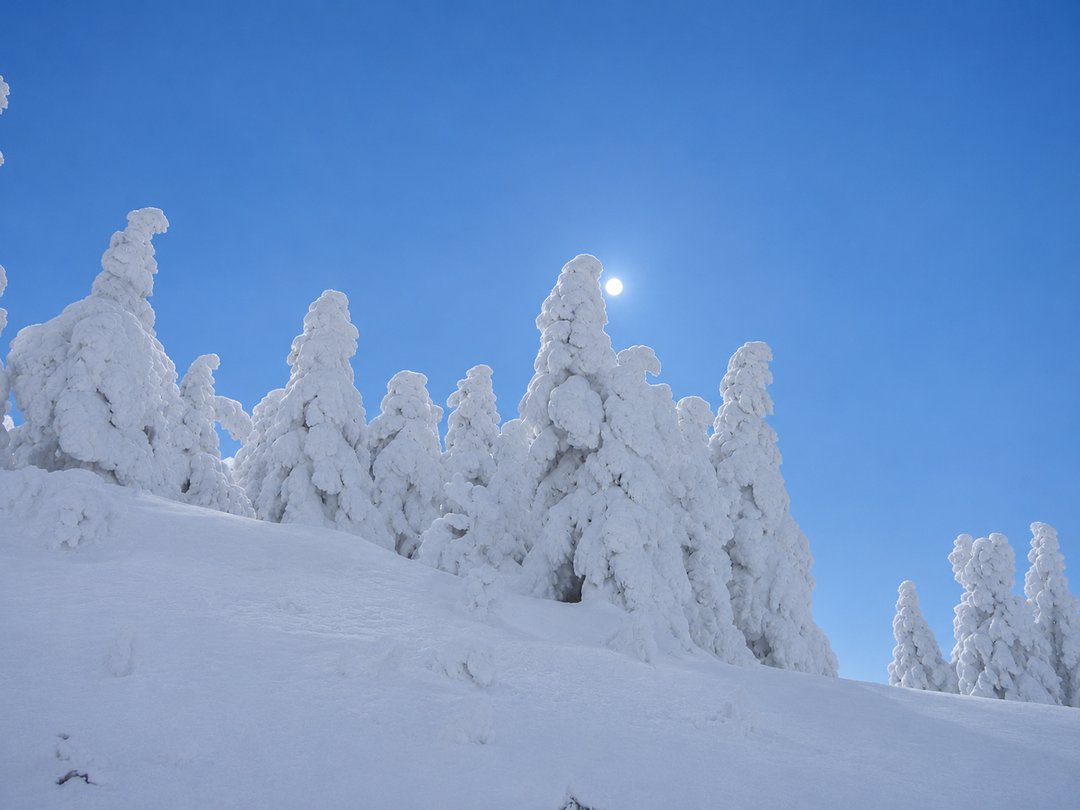
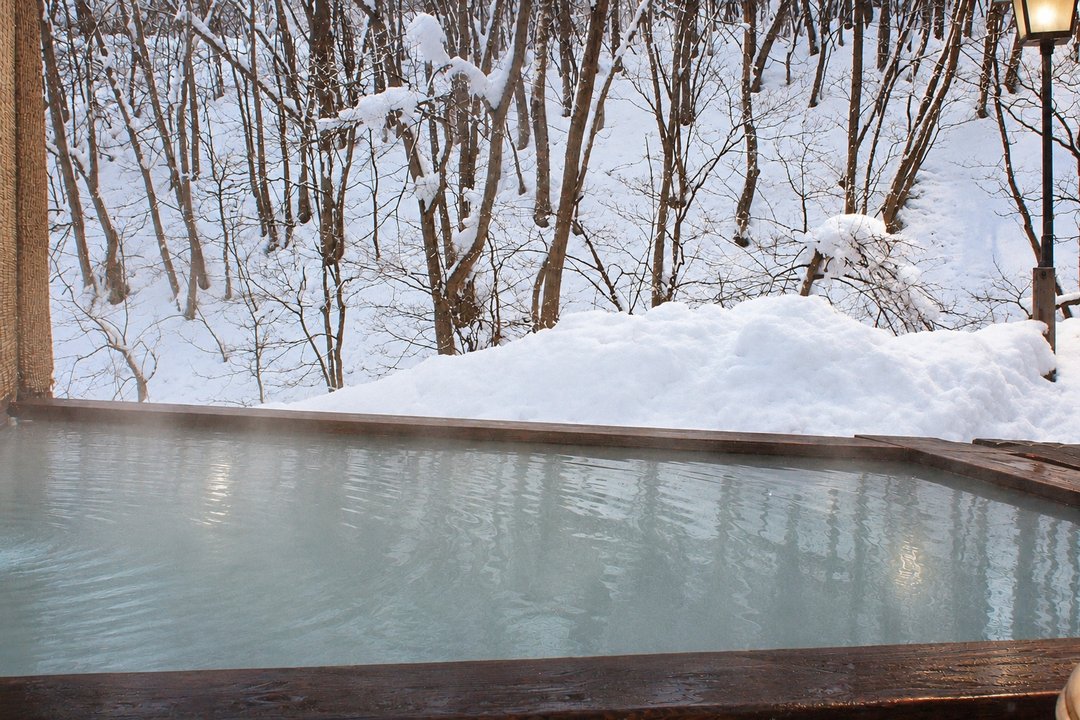
Zao is where the juhyo live — the "snow monsters", conifers so coated in rime ice and wind-blown snow that they turn into towering white figures across the upper slopes. The ropeway ride through them at dusk, lit up in February, is unlike anything else in skiing. Below, the village is one of Japan's oldest spa towns, with sulphurous milky-white water and ryokan that have been welcoming skiers since before the war.
Who it's for: travellers who want atmosphere over terrain, repeat visitors, and anyone combining skiing with Tohoku's food and culture. The skiing itself is pleasant rather than thrilling — long, scenic, intermediate. Go for the monsters, the baths and the mood.
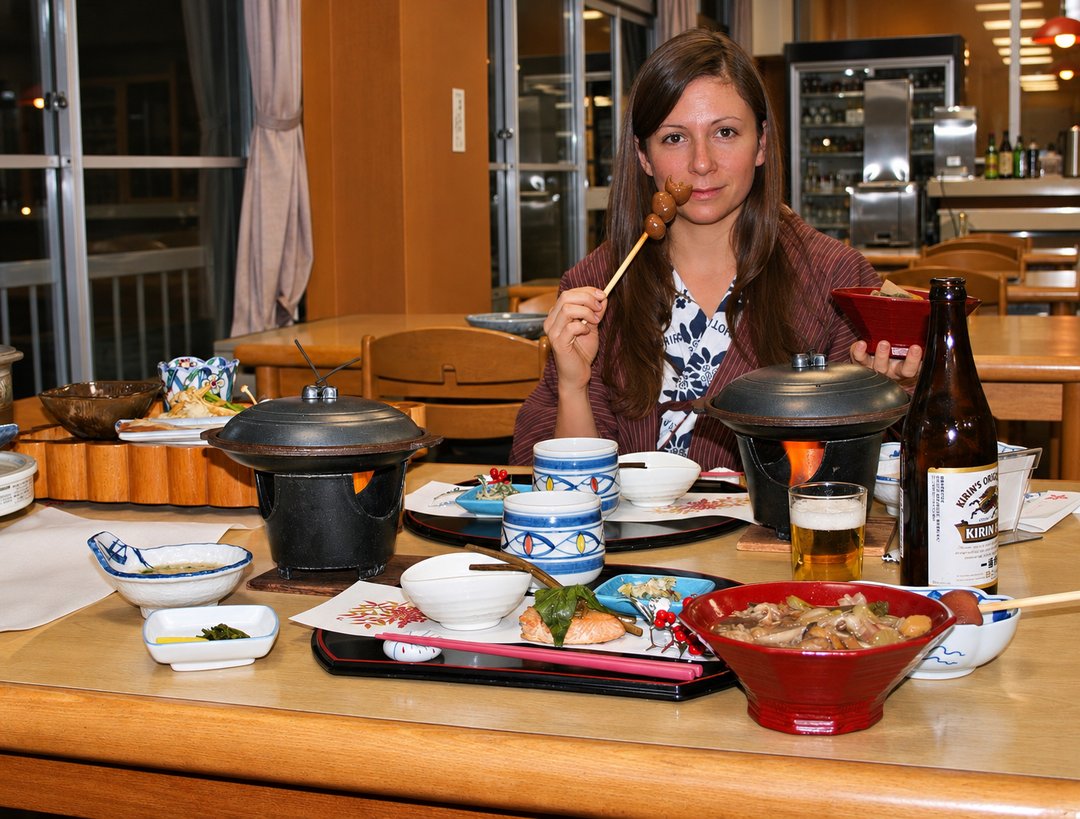
Après and nightlife: almost none, and that's the point. Evenings are the ryokan — the milky sulphur bath, a kaiseki dinner in your yukata, a nightcap of local sake at the counter. There are a couple of small bars in the village and the illuminated snow-monster ropeway at night, which is the real after-dark event.
Myoko Kogen, Niigata — the deep one
Myoko gets more snow than almost anywhere in the world — base depths of four metres are normal, and it's a short train from Nagano. Akakura has the classic hotels, Seki has the steeps and the trees, Suginohara has one of the longest runs in Japan. The area is still largely Japanese, with a small, loyal international crowd who come back every year for the quantity.
Who it's for: experienced skiers and riders who want the deepest snow without Niseko's price tag or crowds, and anyone who likes a resort that still feels like a working ski town rather than a destination.
Après and nightlife: low-key. Akakura has a handful of bars and izakaya run by locals and long-term expats, enough for a good night but not a scene; the other villages are hotel dinners and onsen. The Niigata sake is excellent and is the real reason to stay up.
Hidden gems and off-the-beaten-track picks
These are the places I send people who've already done Niseko or Hakuba, or who never wanted to.
Niigata's weekend resorts — Yuzawa, Kagura and Naeba
When I lived in Tokyo, these were my escape: under 80 minutes on the Joetsu Shinkansen to Echigo-Yuzawa, with GALA Yuzawa's gondola rising straight out of the station. Kagura, above Mitsumata, is the local secret — high, cold, sheltered, with some of the best powder on Honshu and a season that runs into May. Naeba is bigger and brasher, linked to Kagura by the Dragondola. None of them have the international polish, which is exactly the point.
Who it's for: anyone based in Tokyo for a few days who wants a real ski day or two without moving hotels, and strong skiers who want Kagura's snow with almost nobody on it midweek.
Après and nightlife: Echigo-Yuzawa is an old onsen town, so the après is a bath, a bowl of hegi-soba and a sake tasting at Ponshukan in the station (over a hundred Niigata sakes from vending machines, no exaggeration). Naeba's Prince Hotel has bars; Kagura has nothing, which is why it's so good.
Shiga Kogen, Nagano — the quiet giant
Japan's largest linked ski area, high on the plateau above the snow monkeys of Jigokudani, with eighteen areas on one pass and almost no foreign crowds. It's high, so the snow stays cold and the season runs long. The hotels are old-fashioned Japanese ski hotels — think dinner at seven and a big bath — and that's part of the charm.
Who it's for: intermediates who want endless groomed terrain, skiers who want quiet, and families combining the snow monkeys with a few days on the slopes.
Après and nightlife: none to speak of. Dinner is at your hotel, the bath is the entertainment, and most people are in bed by ten. Bring a book or a good group.
Hakkoda, Aomori — the wild one
Not a resort so much as a mountain with a ropeway. Hakkoda is backcountry territory in the far north of Honshu, where the snow is deep, the trees are rimed into monsters like Zao's, and a guide is not optional. Sukayu Onsen at the base, with its famous thousand-person cedar bath, is one of the great hot springs in Japan.
Who it's for: expert skiers and riders with a guide, and anyone who wants the most atmospheric overnight in Japanese skiing.
Après and nightlife: the thousand-person bath at Sukayu, dinner in the ryokan, and lights out. Aomori city, an hour away, is where the izakaya and the nebuta culture are if you want a night out.
Appi Kogen, Iwate — the groomer's paradise
Appi has long, immaculately groomed runs, cold northern snow, and a resort built in the bubble years that still feels pleasantly spacious. It's one of the best places in Japan to learn or to cruise all day, and the crowds are thin.
Who it's for: intermediates, families, and anyone who prefers wide-open pistes to tight trees.
Après and nightlife: the resort hotels have bars and good restaurants, and that's your lot. Quiet, comfortable, family-paced.
Kiroro and Asahidake, Hokkaido — Niseko's snow without Niseko
Kiroro, an hour from Niseko, gets more snow and has a fraction of the people. Asahidake, in the centre of Hokkaido, is a single ropeway up a volcano with some of the driest, coldest powder in the country and a handful of onsen hotels at the base. Neither is a place to spend a whole week, but either makes a Hokkaido trip feel like your own.
Who it's for: powder skiers who've done Niseko and want the snow without the scene.
Après and nightlife: Kiroro is a hotel resort with hotel bars; Asahidake is a cluster of onsen hotels and nothing else. Otaru, Sapporo and Asahikawa are the nearest nights out, and Sapporo's Susukino is one of the great nightlife districts in Japan if you build in a city night.
Best Japan ski resorts for families and first trips
Hoshino Resorts Tomamu, Hokkaido — my family pick
Tomamu is the resort I recommend most often to families, and it's not close. Two tower hotels (the Tower and the more luxurious Risonare) sit at the base of the lifts, so there's no shuttle, no car, no carrying skis through a village. Inside the resort you get the Mina-Mina Beach indoor wave pool, the Ice Village with its ice bar and ice chapel, kids' ski school in English, and the Unkai Terrace in the warmer months. The snow is proper Hokkaido powder and the trees are open to anyone who registers.
It's reached by direct train from New Chitose Airport in about 90 minutes, which matters more than you'd think with children and luggage.
Who it's for: families with children under twelve, mixed groups where not everyone skis, and anyone who wants Hokkaido snow with everything under one roof.
Après and nightlife: all inside the resort — the Ice Bar in the Ice Village (drinks served in ice glasses, open until late), the hotel bars, and more restaurants than you'll get through in a week. It's family après, which is to say it ends early and nobody minds.
Rusutsu, Hokkaido — the other family option
Forty minutes from Niseko, Rusutsu has three mountains, excellent tree skiing, almost no queues and a huge base hotel with a carousel in the lobby. The powder is as good as Niseko's. The nightlife is nonexistent, which parents tend to count as a feature.
Who it's for: families who ski hard, and groups who want Niseko's snow without its scene.
Après and nightlife: hotel bars, an onsen, and Niseko forty minutes away if you need more. Most people don't.
Furano, Hokkaido — the town option
Furano is a real town with a real ski hill: cold, dry snow, long runs, good restaurants, and the Hokkaido countryside around it. It's quieter than Niseko, more Japanese, and easier on the budget.
Who it's for: families with older children, couples who want a town rather than a resort, and anyone combining skiing with the rest of central Hokkaido.
Après and nightlife: a real Japanese town, so real izakaya, a few good wine bars and craft-beer spots, the Furano cheese and wine, and the tiny Ningle Terrace craft village lit up in the snow. No scene, but the best eating of any Hokkaido resort outside Niseko.
Eat Better than you ski or snowboard (even if you are a pro)
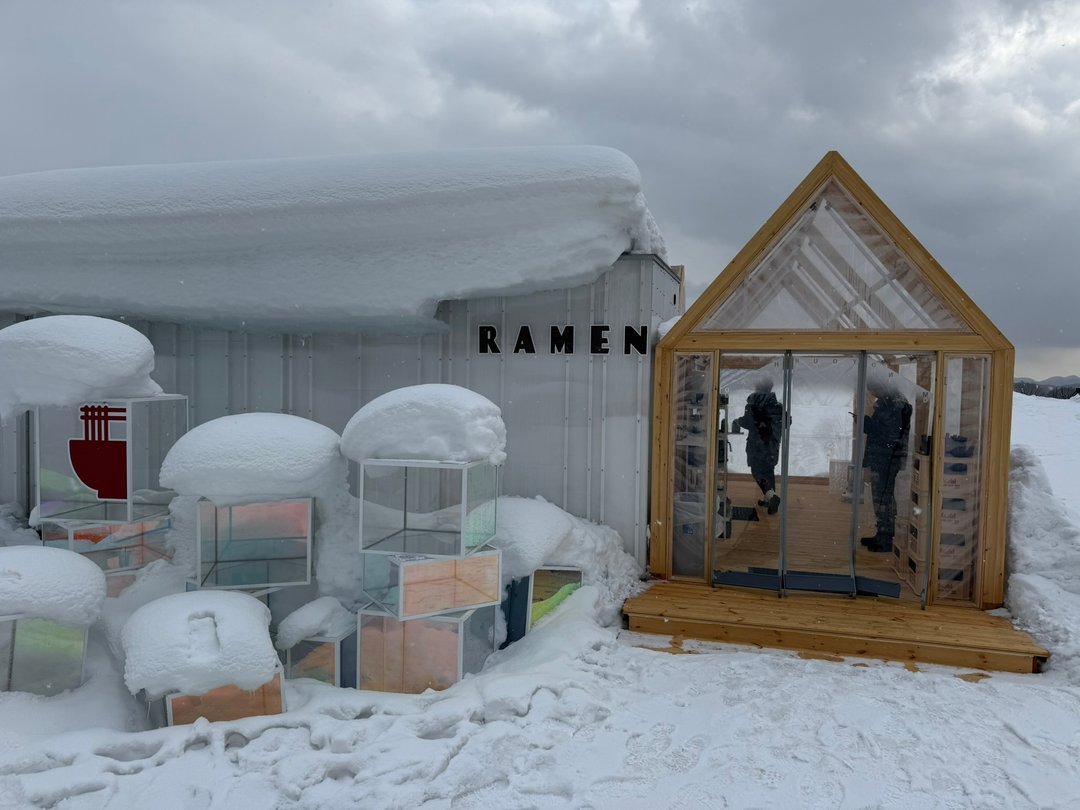
Eat as well as you ski. Food in a Japanese ski resort is never just “ski food”. The same mountain day can end with a ¥1,000 bowl of miso ramen at the base lodge, a counter of yakitori and local sake in the village, or a twelve-course kaiseki at the ryokan, each dish tied to the season and the prefecture — Hokkaido’s crab and uni, Niigata’s rice and sake, Yamagata’s beef, Nagano’s soba. The lift-side cafeterias serve curry rice and katsu that would embarrass most Alpine mountain restaurants, and the convenience stores are a cuisine of their own. Whatever you spend, eating is as much the experience as the skiing or snowboarding, and for a lot of our clients it’s the part they talk about afterwards. Build the evenings around it.
Which Japan ski resort is right for you?
When to go, and how to plan it
The season. Most resorts open in mid-December and the snow is mostly reliable from late December through early March. January is the deepest and coldest month; February is the sweet spot for powder and sunshine; March brings longer days and softer snow, and Hokkaido and the high Nagano areas ski well into April. Avoid the Japanese New Year period as it’s one of the biggest domestic travel periods (29 December to 4 January) and Chinese New Year (check the calendar each year) if you want quiet lifts.
Booking. The best hotels in Niseko and Hakuba sell out for January and February by late summer; the ryokan at Nozawa and Zao go later but have very few rooms. If you're reading this in autumn for this winter, get in touch to book now. If you're planning for next season, the window opens in spring.
Getting there. Hokkaido resorts fly into New Chitose (Sapporo); Nagano and Niigata resorts are shinkansen from Tokyo; Tohoku is shinkansen to Yamagata, Morioka or Aomori.
Combining resorts. Two resorts in one trip works beautifully if they're in the same region: Niseko and Rusutsu, Hakuba and Nozawa, Zao and Hakkoda. Hokkaido plus Honshu in one week does not.
Gear and ski wear. You can travel light. Almost every Japanese resort rents not just skis and boards but full outerwear — jacket and pants — by the day, in adult and children's sizes, so there's no need to carry ski clothes across the world for a few days on the hill. Expect roughly ¥3,000–6,000 a day for a jacket-and-pants set, with the big Niseko, Hakuba and Furano shops stocking adult sizes from XS to 5XL. What's usually not included is the small stuff: gloves, hats and goggles (some resorts rent goggles, most don't), so bring those, plus base layers and ski socks. Rental skis and boards are generally recent and well-kept, and the larger shops carry proper powder skis. Pre-book for peak weeks.
Planning a Japan trip? Maison V plans your Japan snow experience with twenty plus years of skiing the country behind us. We handle the resort choice, the hotels and ryokan (with our Fora partner benefits where they exist), and help you with the rail and transfers, ski school and guides, and the city days either side. Tell us what you're looking for and we'll tell you where to go.
More from the Journal: The Tokyo Tangle, Untangled · The Other Blossom: Japan in February.